The MET Curriculum is an engaging and immersive reading program that explores powerful themes of identity, resilience, and social justice through diverse literary works. Each year, the curriculum focuses on different core texts and authors, allowing participants to delve into a variety of voices and experiences. This dynamic approach fosters critical thinking, creative expression, and personal reflection through a combination of interactive activities, discussions, and multimedia resources. Participants explore a carefully selected set of texts that address relevant themes and societal issues.
Ruth J. Simmons Center for the Study of Slavery and Justice
MET in the Text
MET in the Text is a partnership with the MET High School focused on increasing student literacy and fostering a love for reading. Students visit Brown’s campus twice a month to engage with a curated set of texts. Local guest speakers enrich their experience. The program connects local students to the University, helping them to envision a future at Brown and broadening pathways to higher education.
MET in the Text
MET in the Text is a partnership with the MET High School focused on increasing student literacy and fostering a love for reading. Students visit Brown’s campus twice a month to engage with a curated set of texts. Local guest speakers enrich their experience. The program connects local students to the University, helping them to envision a future at Brown and broadening pathways to higher education.
Past Programs
2025–2026
In the second year of our partnership with the MET High School (Dexter Street), students read the literature of Safia Elhillo.
Safia Elhillo is a Sudanese American poet and novelist who emerged as a Spoken Word Artist in DC before traveling the world to share her poetry and receiving numerous awards. Her writing focuses on themes of Muslim girlhood, mother-daughter relationships, Islamophobia, immigration, identity, Sudanese history and culture, rebellion, patriarchy, and friendship.
2024–2025
In the 2024–25 academic year, the MET Curriculum was centered around the works of acclaimed author Jason Reynolds. It was an engaging and immersive reading program designed to explore powerful themes of identity, violence, and resilience through his impactful texts, Long Way Down and For Everyone. The program emphasized real-world connections, inviting discussions about contemporary issues such as gun violence, juvenile justice, and the historical context of the Second Amendment. This approach encouraged participants to think critically about their own experiences and the societal issues depicted in the selected works.
1
of
3
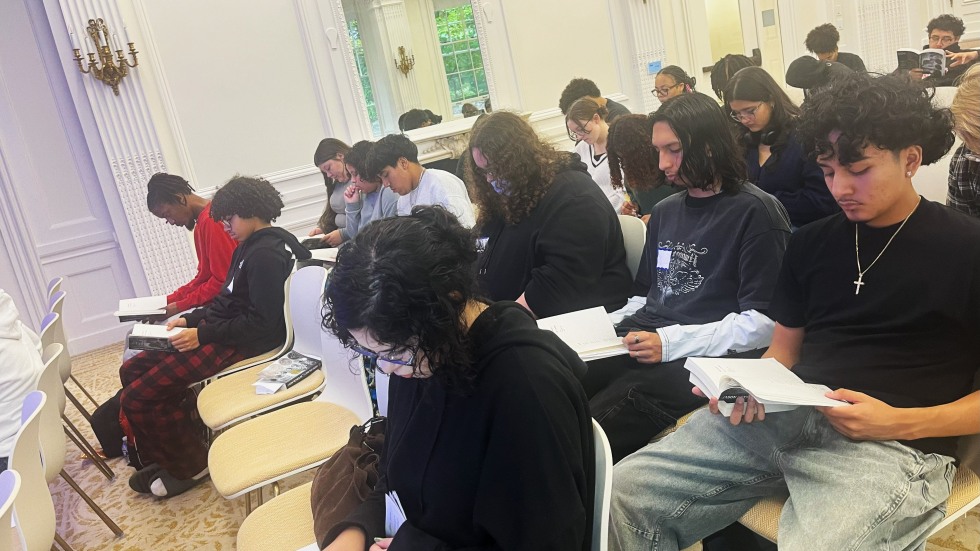
MET student read Jason Reynolds' book "Long Way Down and For Everyone."
2
of
3
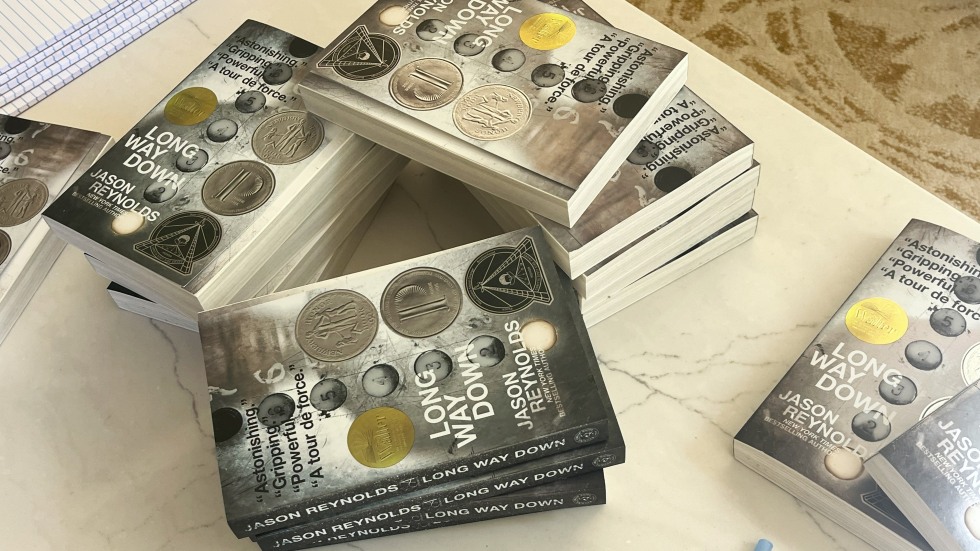
Copies of "Long Way Down and For Everyone" were provided to participating students.
3
of
3
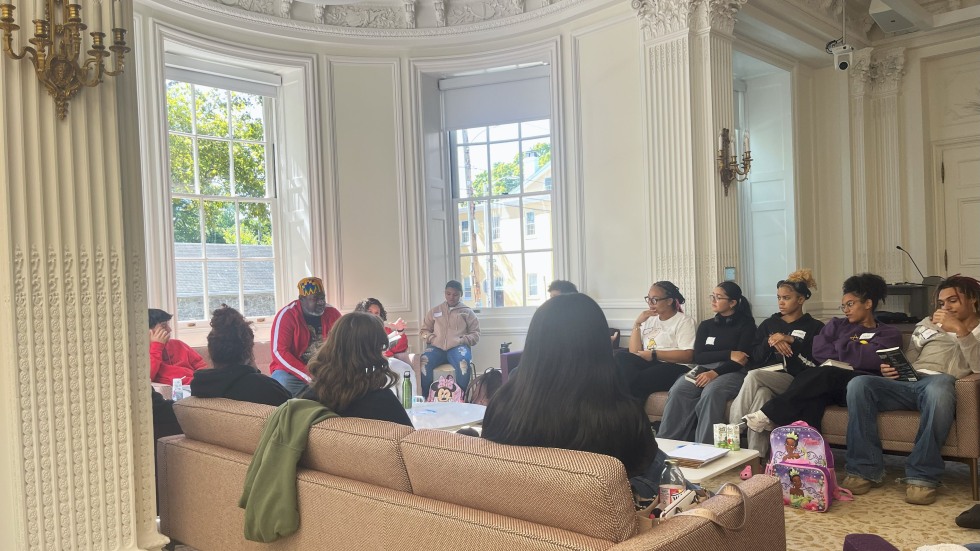
MET students participate in a reading discussion circle.
News from the Simmons Center
2025 Annual Report Update: MET in the Text with Jason Reynolds
News from the Simmons Center