Overall, working on the Race, Slavery, Colonialism and Capitalism Research Cluster has continued to be a uniquely enriching experience. Last fall, as a graduate fellow on the project, I was extended the opportunity to plan and participate in a two-day symposium concerning the life, ideas and revolutionary activism of Walter Rodney. The symposium was entitled “What They Don’t Want You to Know About Walter Rodney: Black Power, Black Studies, and the Guerilla Intellectual.”
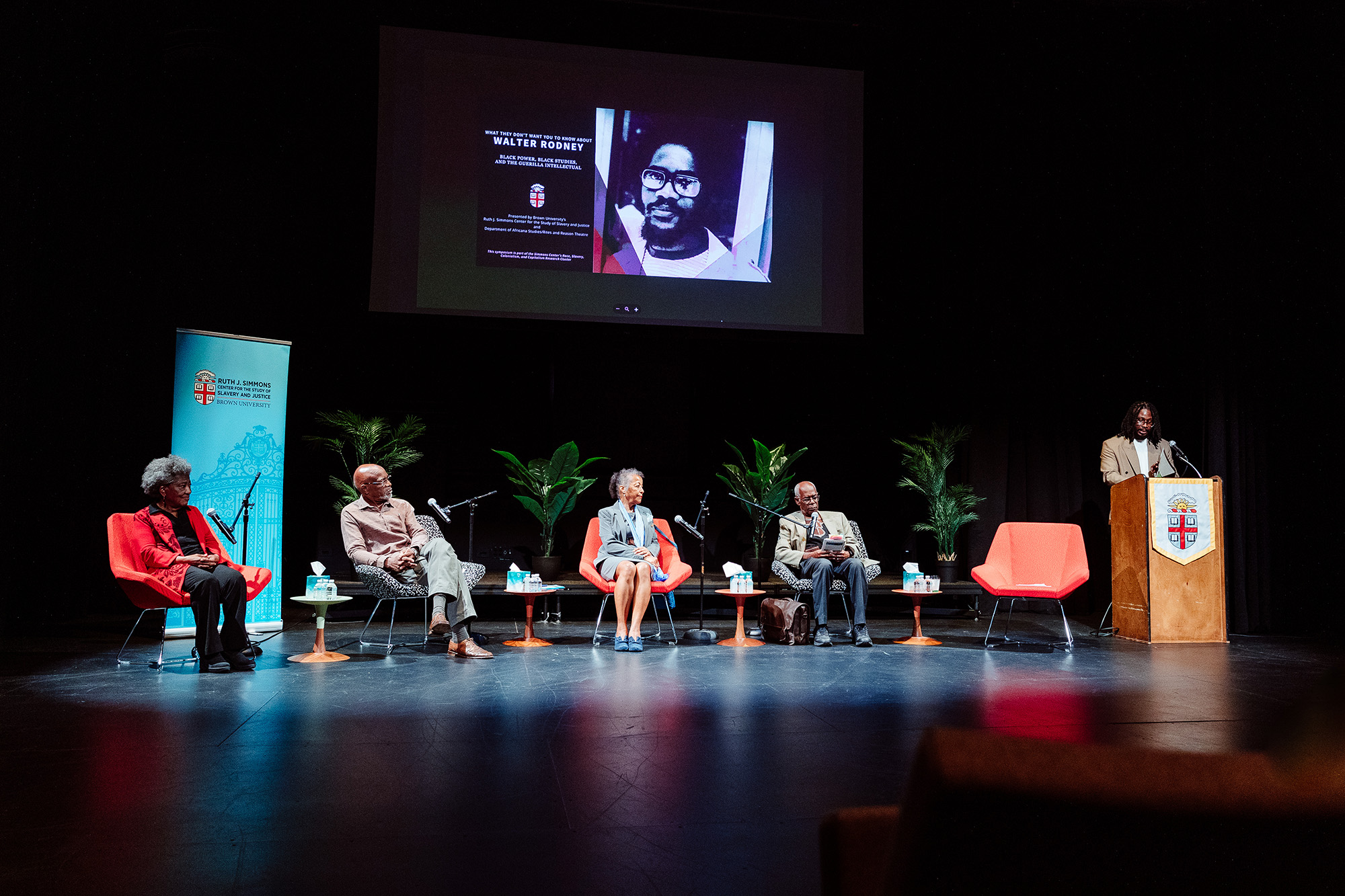
We began the first day with a panel that featured panelists Patricia Rodney Ph.D., MPH, SRN, Prof. Emeritus Rupert Lewis, Prof. Geri Augusto, and Richard Small Esq., who came together for a moving conversation concerning the various transformations Walter Rodney underwent and the political currents in which he participated over the course of his life. In the second session, Prof. Brian Meeks, Dr. Matthew Smith, and Assistant Professor Bedour Alagraa delved more deeply into the thought of Walter Rodney with an eye to how his work speaks to contemporary discourse, as well as ways Rodney’s work may have shifted in light of the developments of the last 40 years. Then, we rounded out the first day with a documentary screening of “Walter Rodney: What They Don’t Want You to Know,” which was followed by a Q&A moderated by Malcolm Thompson, Ph.D. candidate in Africana Studies, that featured Patricia Rodney, public health scholar and CEO of the Walter Rodney Foundation, and the father-son filmmaking duo, Arlen Harris and Daniyal Harris-Vajda.
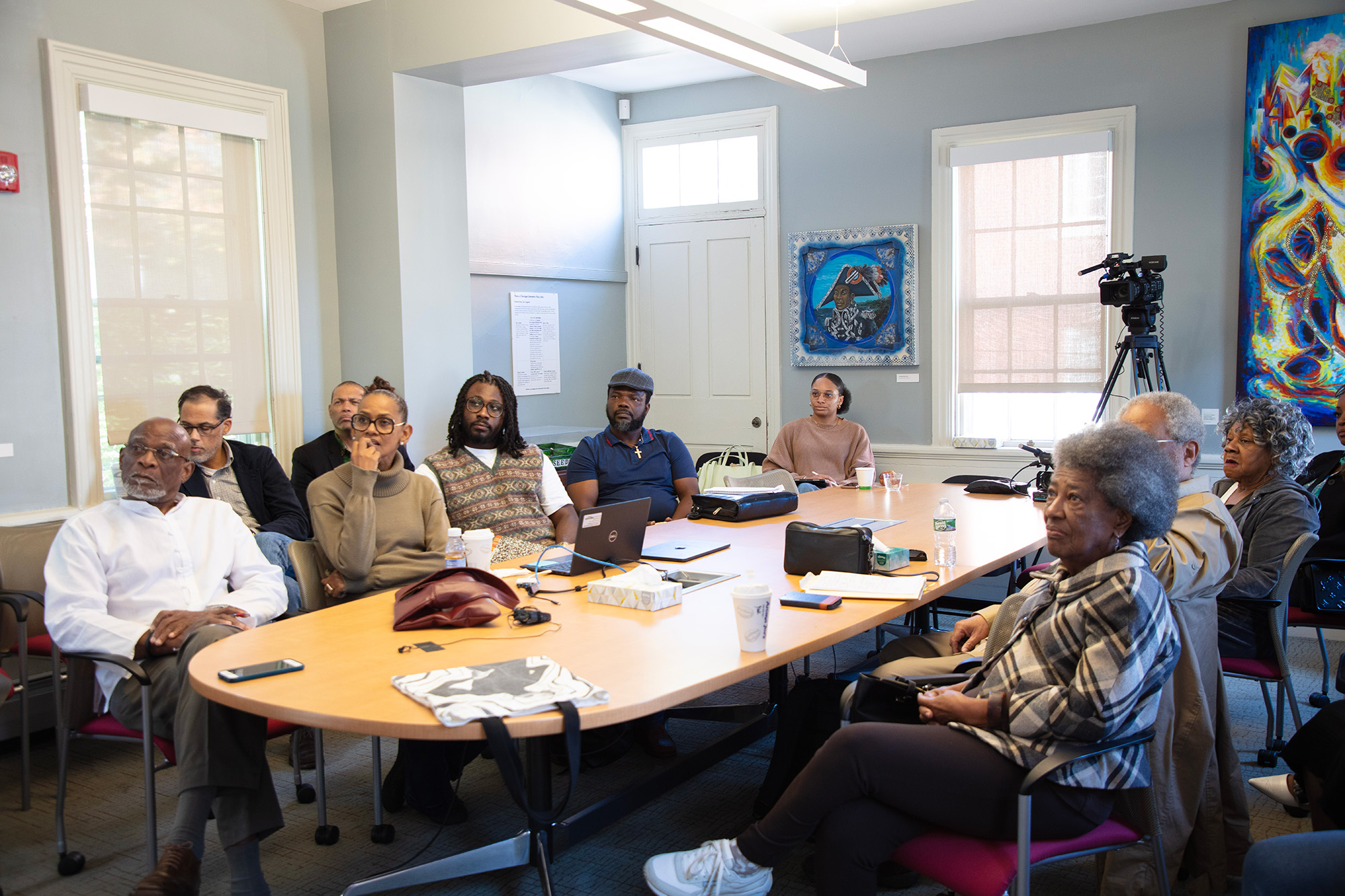
The second day centered around a short documentary on the life of Richard Small Esq., followed by an intimate conversation with all of the panelists concerning its contents and development. By the symposium’s conclusion, the wealth of knowledge and experiences shared by the event’s honored guests rendered the event by far one of the most meaningful experiences in my academic life thus far.
Finally, the book Race, Capitalism and Slavery, edited by Anthony Bogues and Pepijn Brandon, is now undergoing revisions for publication in 2027.
Arlin Hill Ph.D. ’27
Race, Slavery, Colonialism and Capitalism Graduate Proctor, 2024–2025