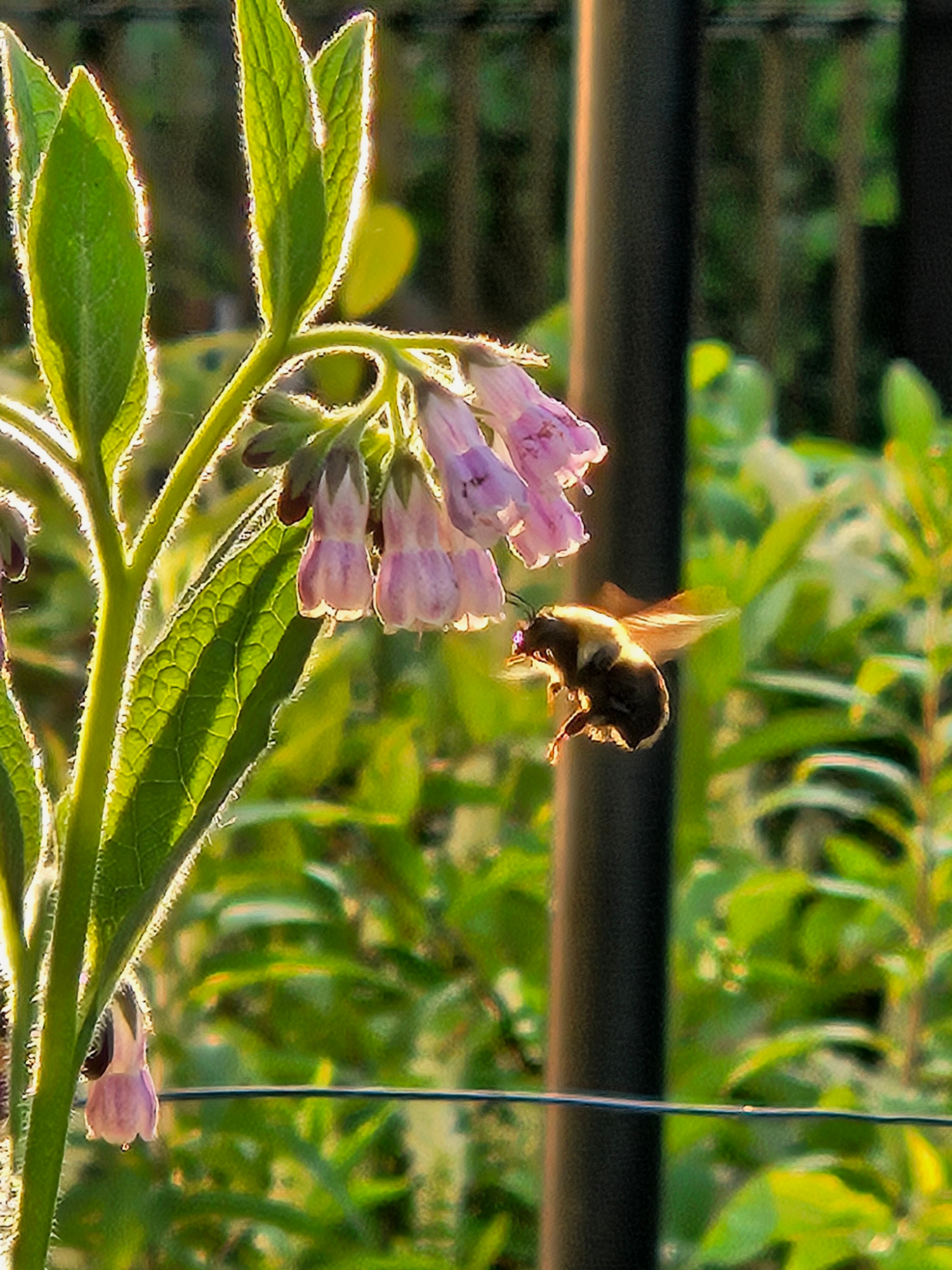
This year, the Symbolic Garden of the Enslaved continued to grow as a living site of education, remembrance and community connection. Formerly known as the Symbolic Slave Garden, the new name reflects an ongoing commitment to language that honors the humanity of those represented in the space. A new raised bed, now blooming with African daisies, was erected before the onset of a long winter. We saved seeds from six culturally significant plants: giant sunflower, boneset, black cohosh, marigold, echinacea and black-eyed Susan. We welcomed the spring and summer season with the addition of ten new plant species, expanding the educational scope of the garden.
Equally important was the care shared among people. We said goodbye to three graduating student caretakers whose work has been foundational to the garden's resilience year after year. Their vision and labor helped root our garden's ethos and can be seen in the beauty of the garden today. In their honor, we will continue the practice of relationship-building, mutual care and grounded inquiry and research.
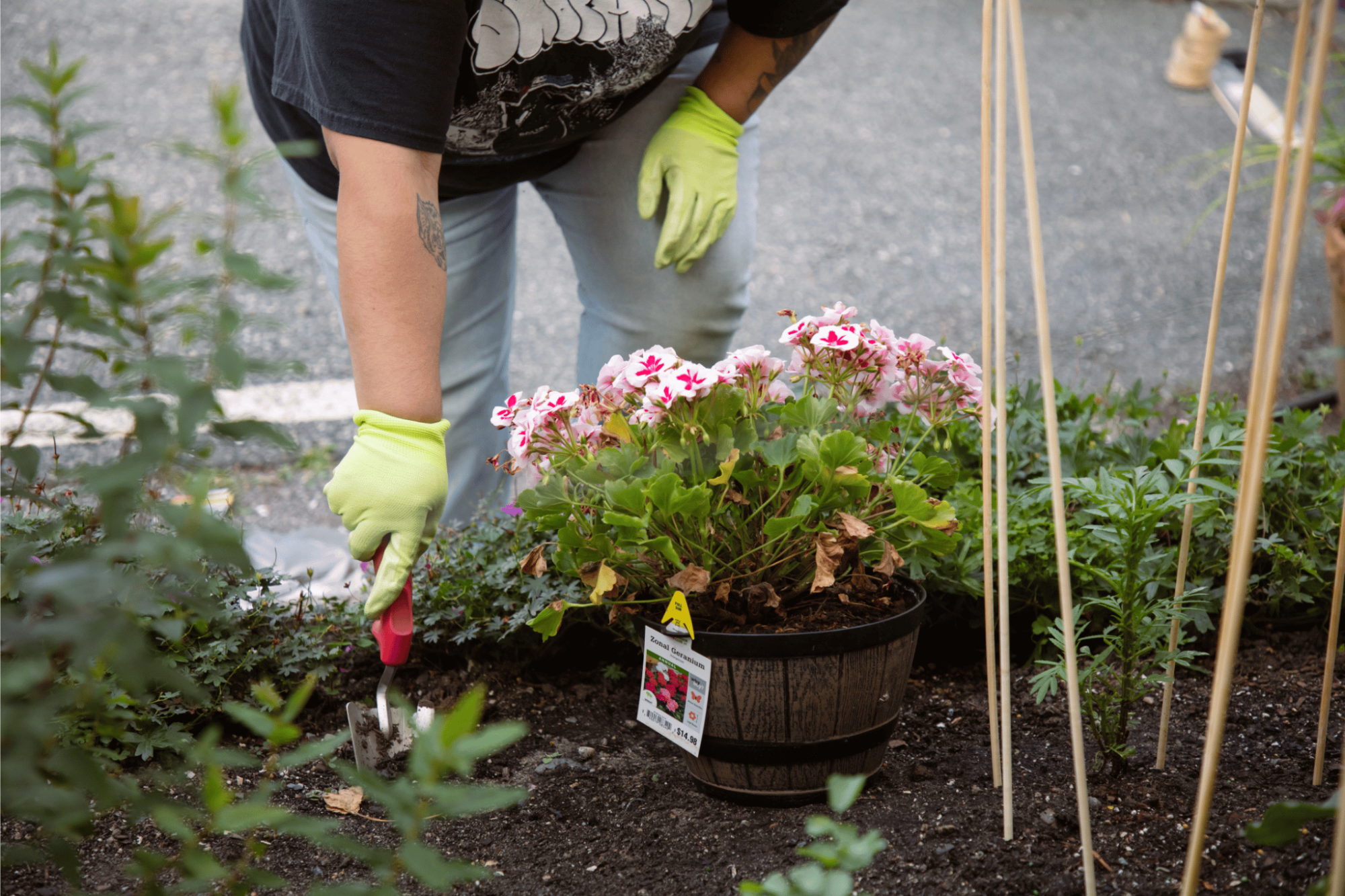
Throughout the year, the garden remained a space for joy and respite, welcoming visitors as part of the campus's quieter green spaces. Looking ahead, we're excited to continue the work of forming a website for the garden, one that will hopefully reflect our values, offer accessible plant knowledge and histories, resources, and invite the wider community into our growing archive. As the seasons pass, the student caretakers remain committed to cultivating a space where life, legacy and liberation take root.
Rayna Franklin ’27 and Elizabeth Flores ’27
Symbolic Garden of the Enslaved Caretakers