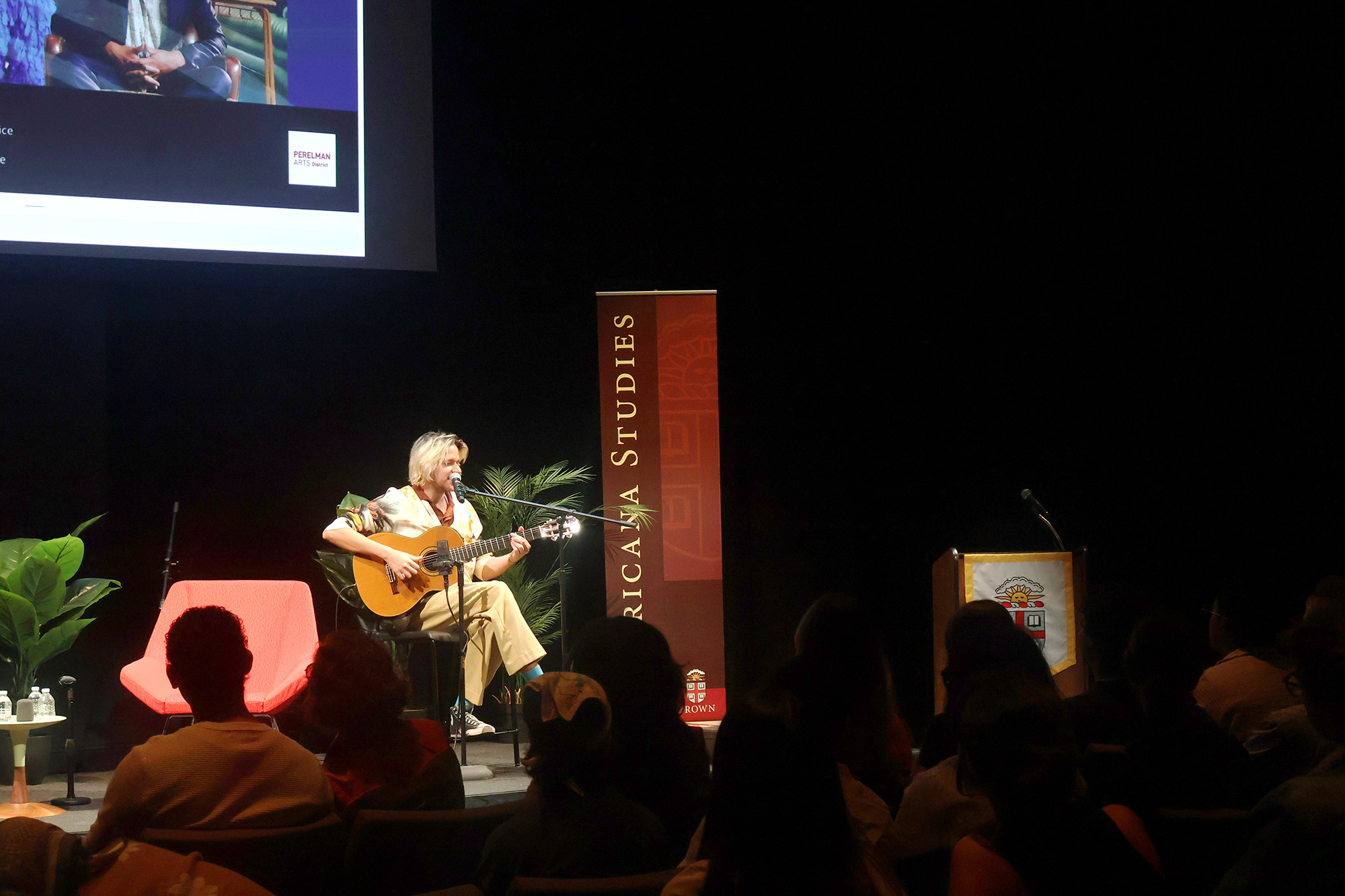
"The Words of Rubel" event at Brown University marked a transformative moment for my Symbolic Reparations Project (SRP), a digital humanities initiative that emerged from my doctoral research exploring reparative narratives across Latin America and the Caribbean. The evening brought together nearly 100 attendees for an unprecedented collaboration between scholarship and artistic expression. I orchestrated this multifaceted project by inviting acclaimed Brazilian singer-songwriter Rubel to campus, where we embarked on an ambitious creative endeavor. Working alongside talented student musicians and local artists, I developed an English adaptation of Rubel's "Torto Arado" — itself inspired by Itamar Vieira Júnior's internationally celebrated novel that has sold over one million copies and been translated into more than twenty languages. The resulting piece, "Crooked Plow," transforms Rubel's original Portuguese composition into a jazz-inflected music video that demonstrates how academic research can be reimagined through collaborative, multimodal storytelling.
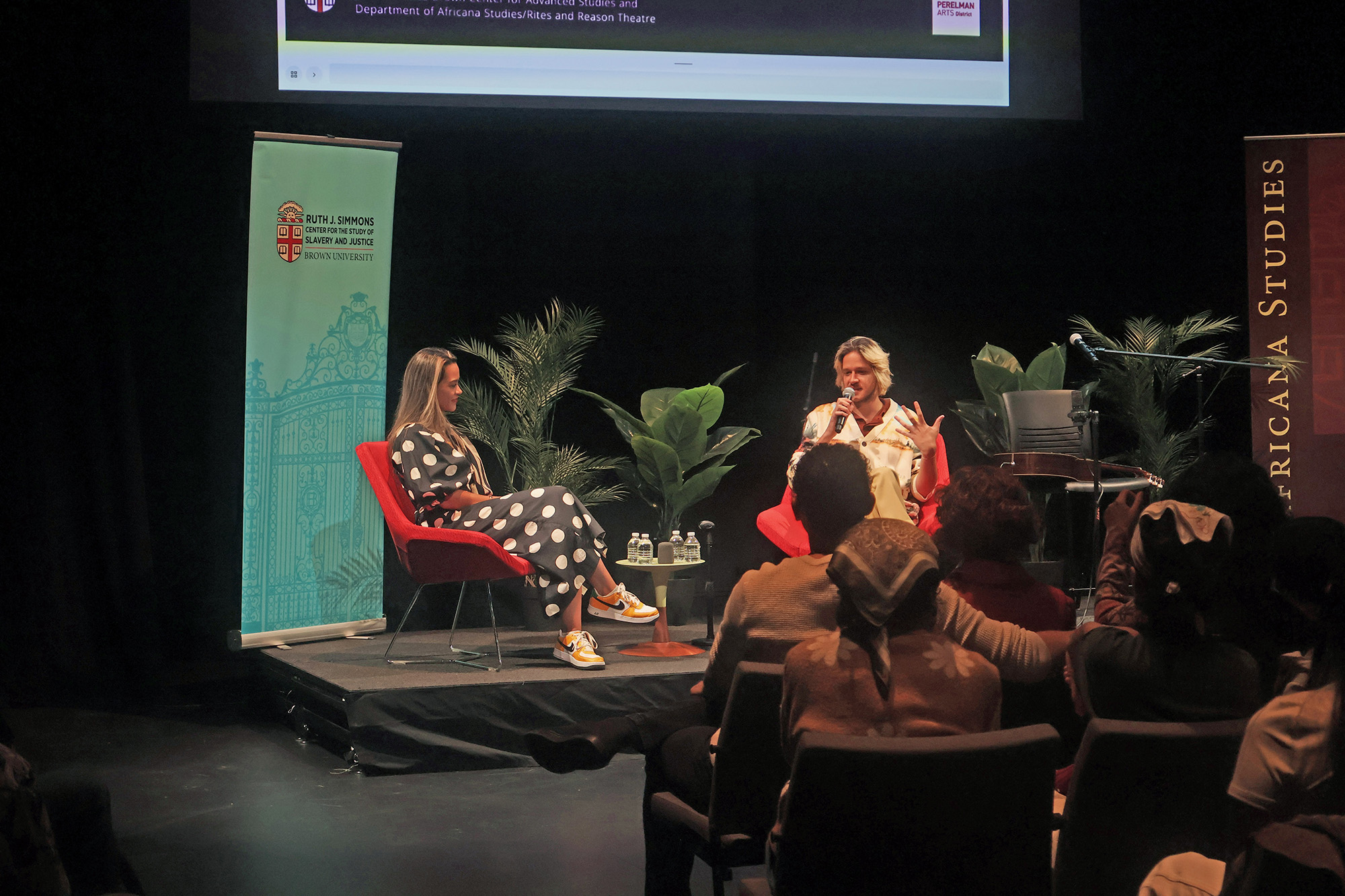
The SRP aims to bridge computational approaches with accessible cultural production. By curating narratives of reparative memory through both data-driven methodologies and creative media, the project challenges traditional boundaries between scholarship and public engagement. This event exemplified that vision, as the live performance and subsequent Q&A session created meaningful dialogue between academic inquiry and artistic practice. Recording "Crooked Plow" required careful coordination of diverse creative voices while maintaining the integrity of both the original source material and my research framework. The project's significance extends beyond its artistic output to include its demonstration of how scholarly work can generate new forms of cultural conversation. The enthusiastic audience response confirmed that academic research, when thoughtfully translated into collaborative creative practice, can reach far beyond institutional walls to engage broader communities in essential discussions about race, reparation and social transformation.