During the 2024–2025 academic year, the Human Trafficking Research Cluster (HTRC) advanced its ongoing partnership with Red Canary Song (RCS), a grassroots coalition of migrant Asian massage workers and sex workers, through the launch of “body workers’ atlas: data justice for migrant massage workers” — a landmark digital countermapping project. This initiative juxtaposes publicly accessible data from the NYPD and NYC Department of Buildings (DOB) on policing and evictions with oral histories gathered by RCS from Asian migrant workers who have borne the brunt of intensified surveillance and violence.
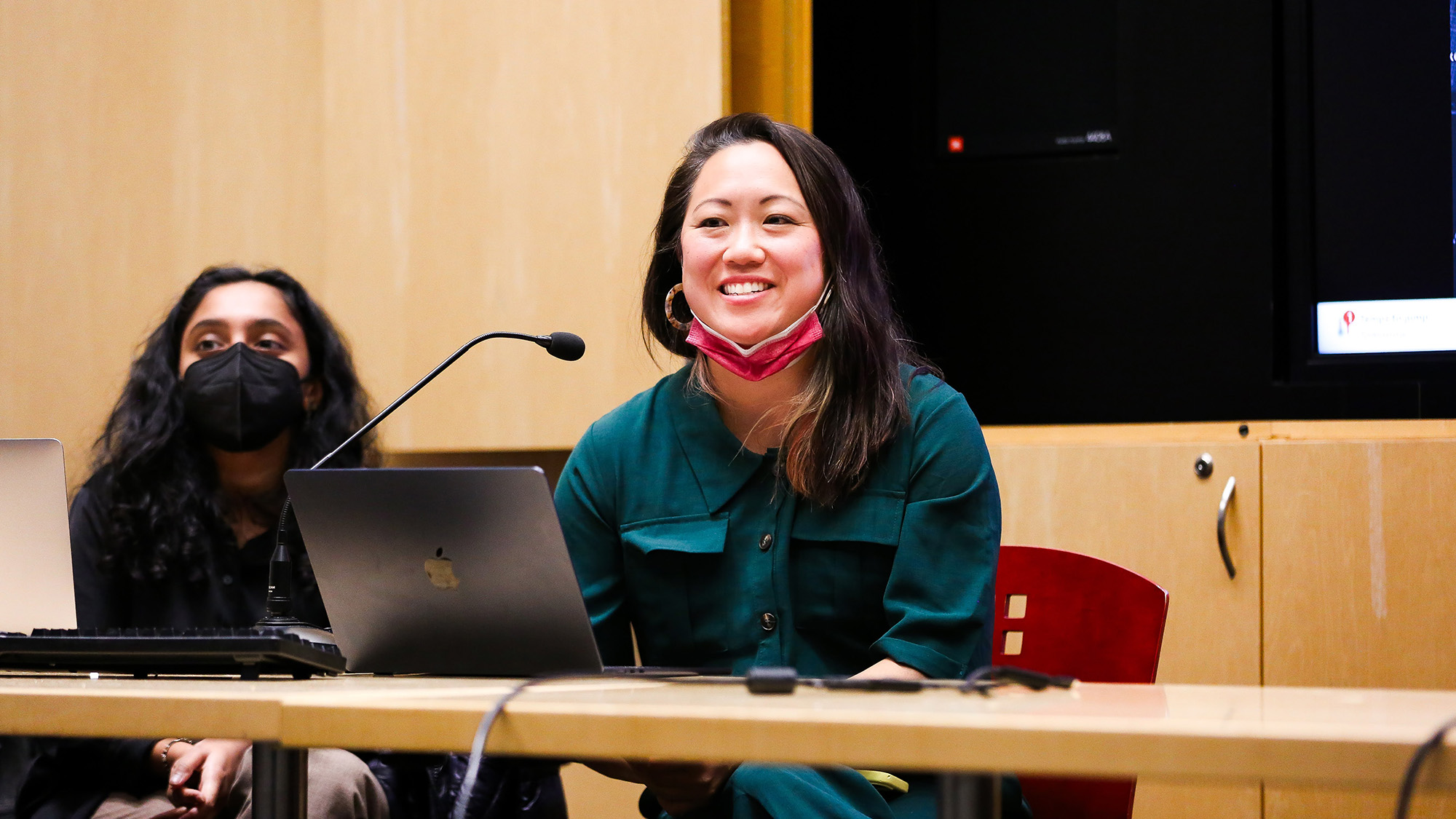
The “body workers’ atlas” emerged at a critical political moment, coinciding with NYC Mayor Eric Adams administration’s “Restore Roosevelt” campaign — a 90-day crackdown that heightened policing in specifically Queens, NY — and amid a broader resurgence of anti-immigrant and anti-worker rhetoric nationally under the Trump administration. The project offers a powerful spatial and narrative intervention against the criminalization of Asian massage work, exposing how DOB mechanisms are weaponized to target marginalized workers under the guise of public safety and code enforcement.
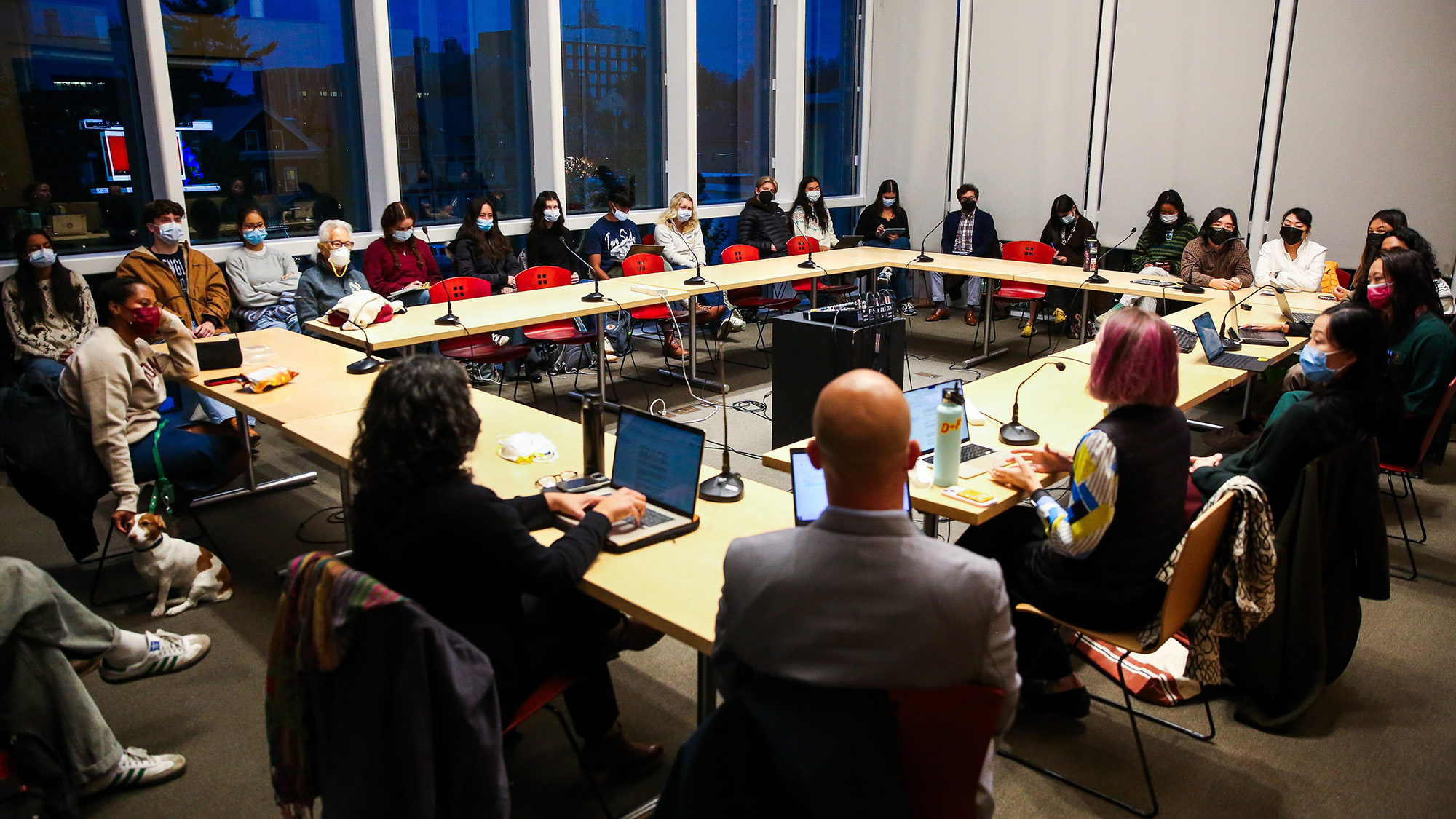
In response to the map's findings and ongoing community advocacy, HTRC collaborated with RCS and the Asian American Legal Defense and Education Fund (AALDEF) to sue the New York City Department of Buildings (DOB) over their failure to respond to Freedom of Information Law (FOIL) requests to release documents related to inspections and enforcement against massage parlors. The research cluster’s work has found that discriminatory enforcement practices disproportionately harm Asian immigrant communities. This legal challenge underscores HTRC’s commitment to praxis-oriented research that amplifies community voices and translates data-driven analysis into tangible policy and legal interventions.
Elena Shih
Human Trafficking Research Cluster Faculty Fellow
Associate Director of Academics
Director of Graduate Studies, MA in Public Humanities, 2025–2028
Associate Professor of American Studies and Ethnic Studies