2025 Annual Report Update: Graduating Student Reflections
Reflections from Arman Deendar ’25, Shravya Sompalli ’25, Melaine Ferdinand-King ’25 Ph.D. in Africana Studies, Kevin Carter ’25, Nélari Figueroa Torres ’2, 5Laurie Tamayo ’25, and Dillon Stone ’25
Human Trafficking Research Cluster
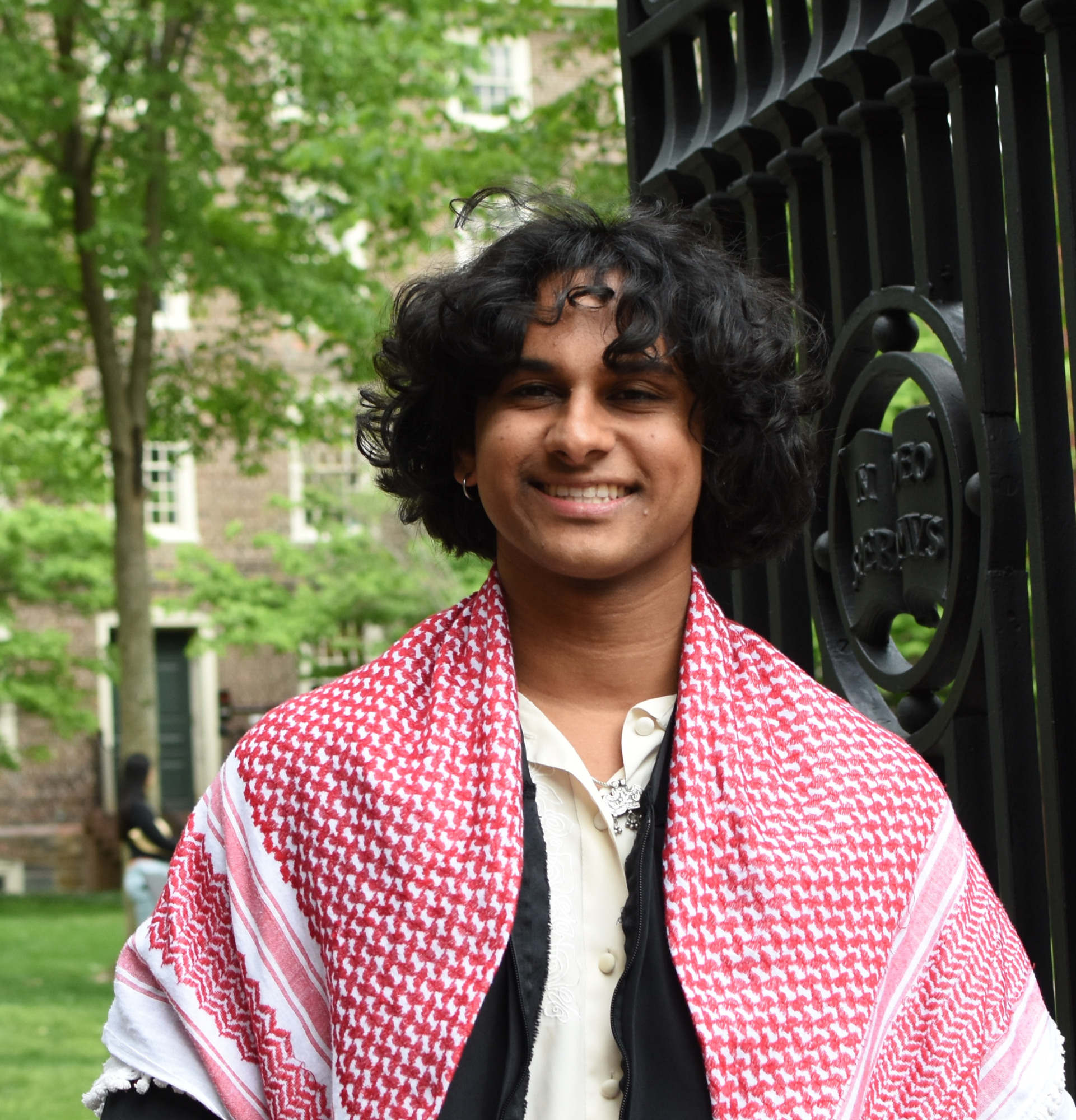
Working as a research assistant with the Human Trafficking Research Cluster was truly one of the most transformative and rewarding aspects of my undergraduate experience. Working on a community-centered digital map in partnership with Red Canary Song allowed me to combine my multidisciplinary interests across computer science, urban history, data journalism and Asian American studies. The opportunities and experiences I had through this position helped me grasp what it means to straddle academic, activist and policy spaces that will remain with me beyond my time at Brown.
Arman Deendar ’25
Human Trafficking Research Cluster Student Researcher
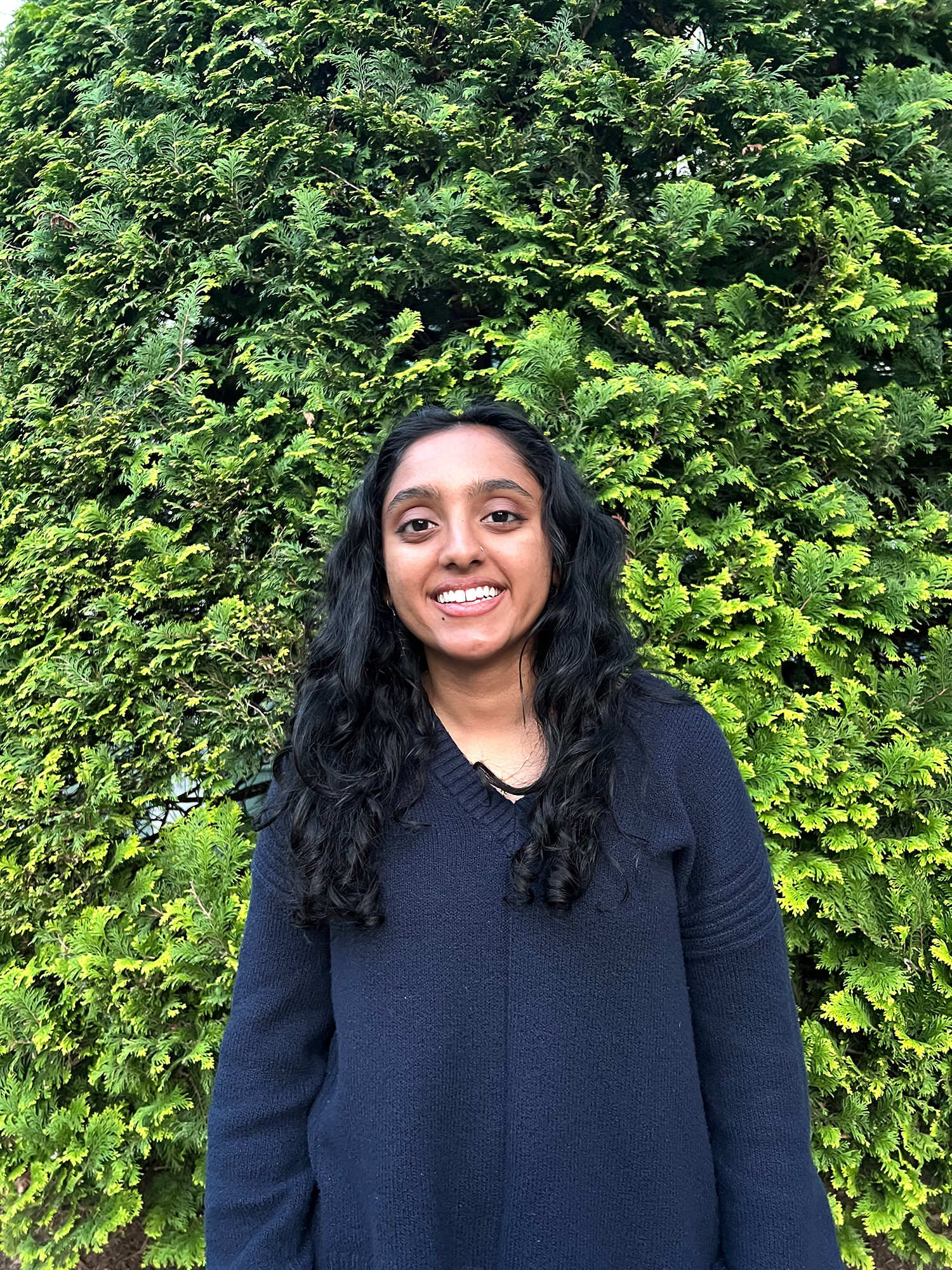 The work I did as a research assistant for the Human Trafficking Research Cluster (HTRC) was one of the most impactful experiences I had in my time at Brown. Co-designing a digital mapping project and sharing it in academic, policy and community settings with Red Canary Song transformed my understanding of what research could constitute, and introduced me to a multitude of other brilliant scholars, organizers and community members. This expanded vision of research in HTRC enabled me to see the potential of bringing my concentrations in computer science and ethnic studies together as I pursue work in applied data science and sociotechnical systems research.
Shravya Sompalli ’25
Human Trafficking Research Cluster Student Researcher
Graduate Fellow
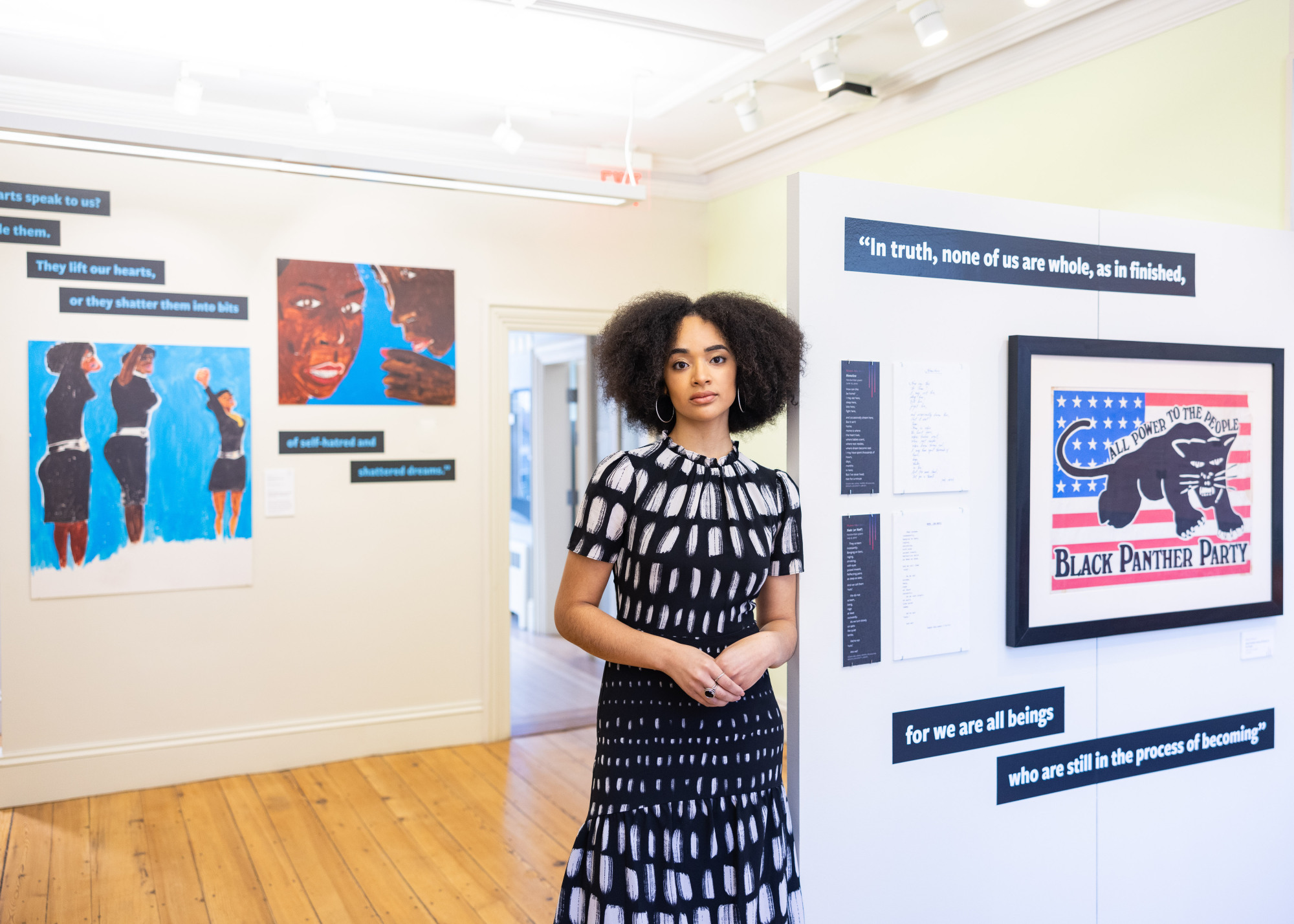
My tenure with the Simmons Center has profoundly shaped my academic and professional development. As a Ph.D. student, I curated two Center-sponsored exhibitions, "Art and the Freedom Struggle: The Works of Mumia Abu-Jamal," at the Simmons Center and "Black Sonics: Heritage as Heresy," in Johannesburg, South Africa. I also drafted a K–12 curriculum for the "Creating the New World" project and co-organized the "Black Historical Aesthetics" reading group while hosting education workshops for New England educators. Through these experiences, I contributed to the Center's essential mission of connecting scholarship with Providence and global communities. These opportunities strengthened my competencies in project management, community organizing, art curation and critical theory application. The Simmons Center provided invaluable opportunities to bridge theory with practical implementation, preparing me for future work as a lifelong scholar of culture and society.
Melaine Ferdinand-King ’25 Ph.D. in Africana Studies
Co-Curatorial Fellow, Voices of Mass Incarceration, 2023–2024
Garden Caretaker
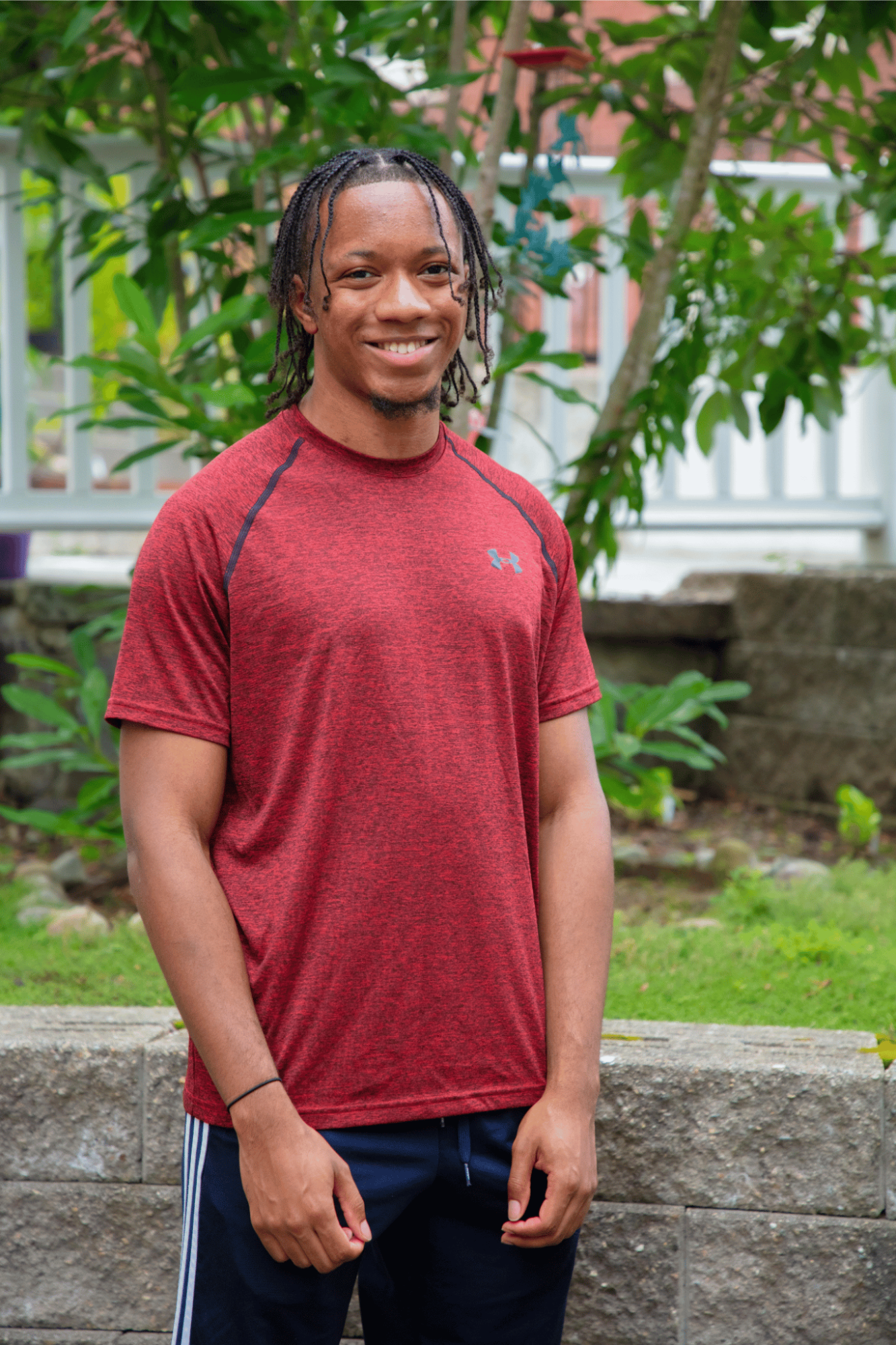
Working at the Simmons Center provided the means for me to establish a mutualistic relationship with the Center and the garden as a garden caretaker. I provided my time, ideas and labor, and was granted community, knowledge, experience, serenity and refuge. The garden’s purpose resonated with my interest in Black and Indigenous environmentalism and histories, and made my everyday work feel impactful beyond money or aesthetics. From the staff to the events to my fellow caretakers, the Simmons Center always felt less like a place where I worked and more like a space where I belonged.
Kevin Carter ’25
Caretaker for the Symbolic Garden of the Enslaved
Unfinished Conversations Series Student Researchers
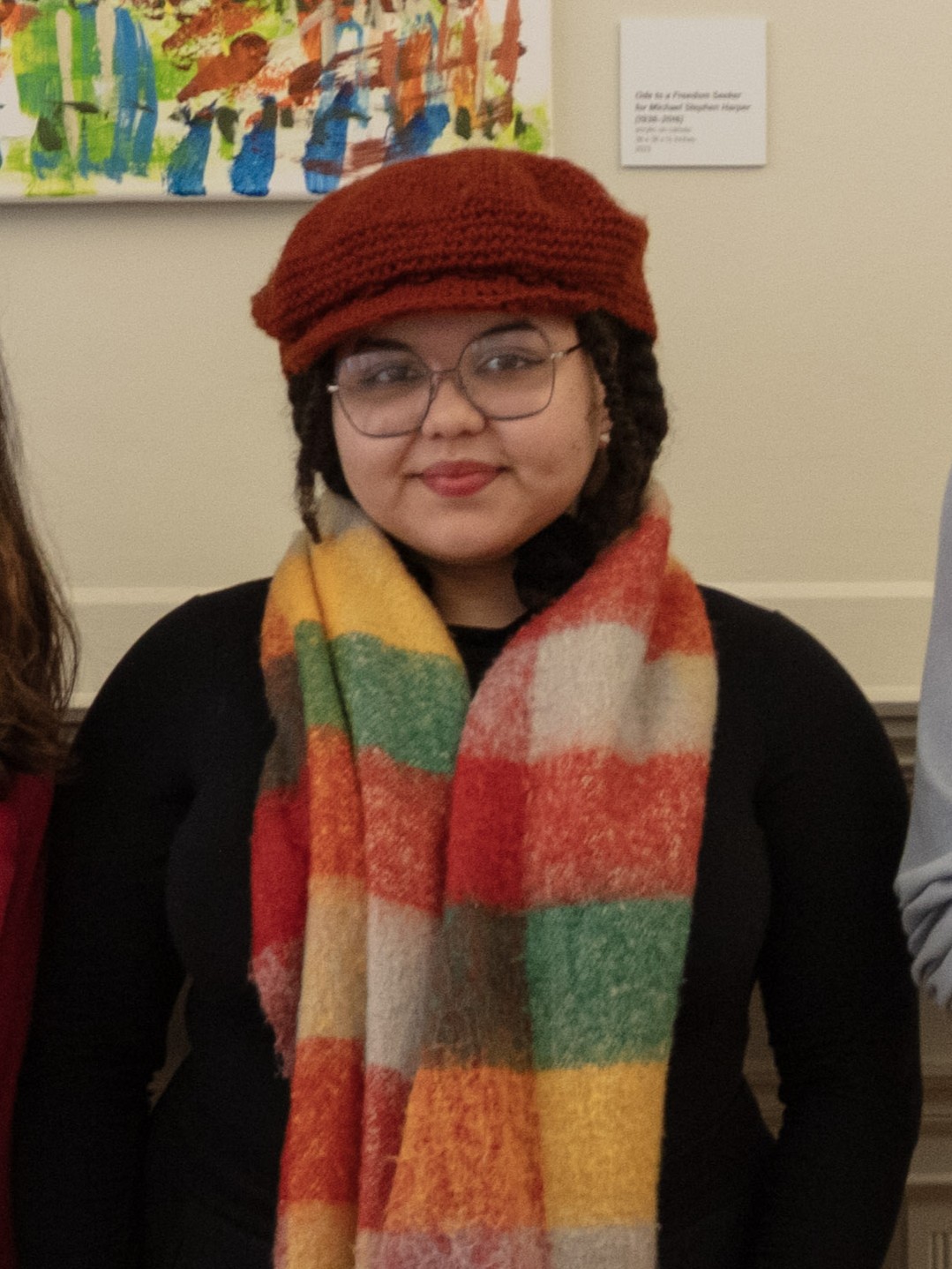
I definitely see “The Unfinished Conversation Series” fitting into my future work. I think it affirmed my belief in archival work and how it intersects with art in such a wonderful way, and how that has a capacity to express histories in such a unique way. Working with these first-hand accounts, but also engaging in this artistic practice and the curatorial practice has been very key to my formation. As someone entering my career in this way, I've had such an amazing time in the process.
Nélari Figueroa Torres ’25
Unfinished Conversations Series Student Researcher
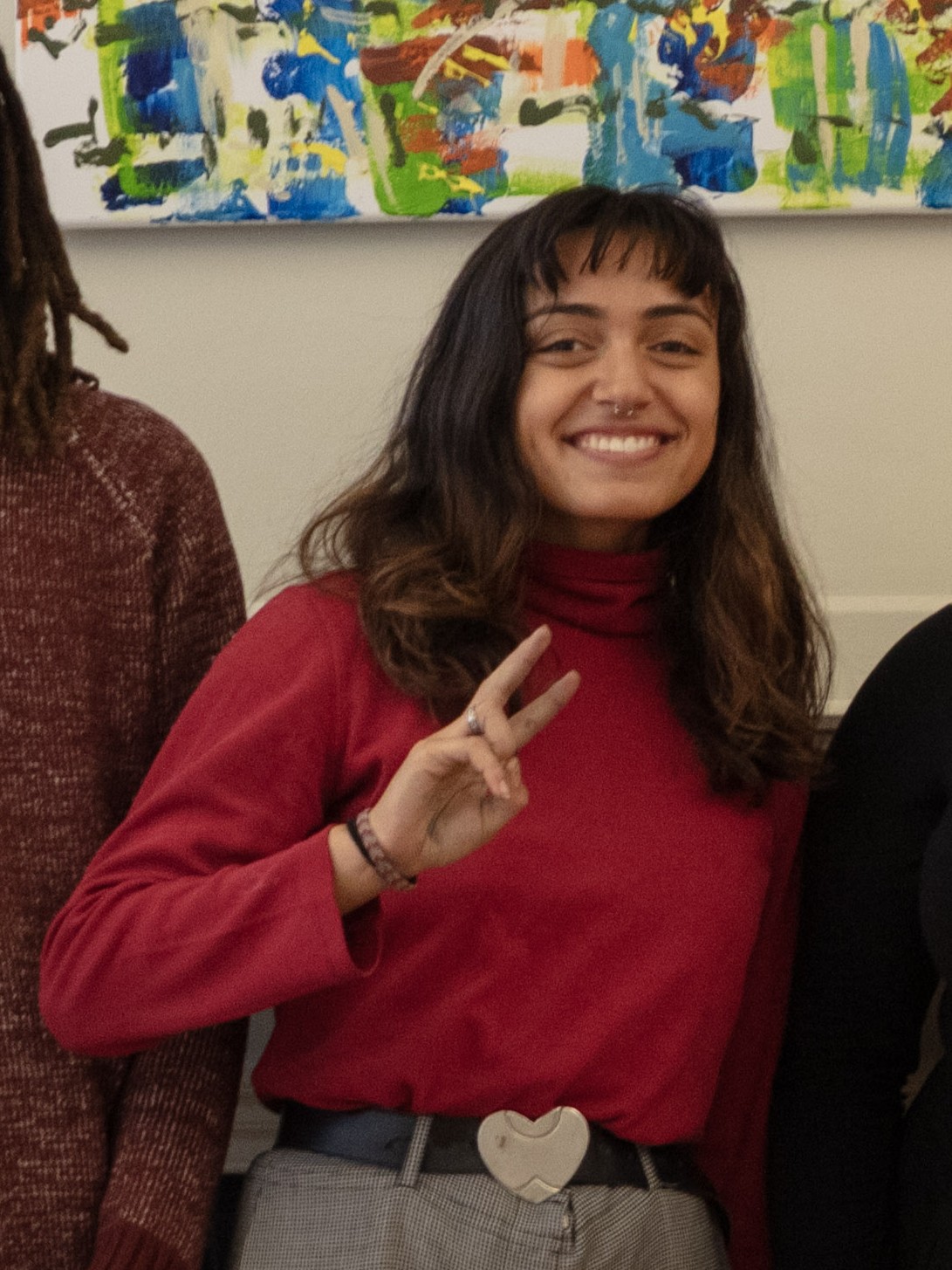
It was a really great experience being part of “The Unfinished Conversations Series” project. I didn't think in my college career I'd be able to work on something so global. Especially the fact that it’s going to South Africa, it's going to Liverpool, and it's reaching all these audiences that will learn about these stories through lines that then connect them to this place that they actually, in an individual sense, don't really have any connections to. It's a really important thing to universalize something, to make people care and to make people understand without generalizing.
Laurie Tamayo ’25
Unfinished Conversations Series Student Researcher
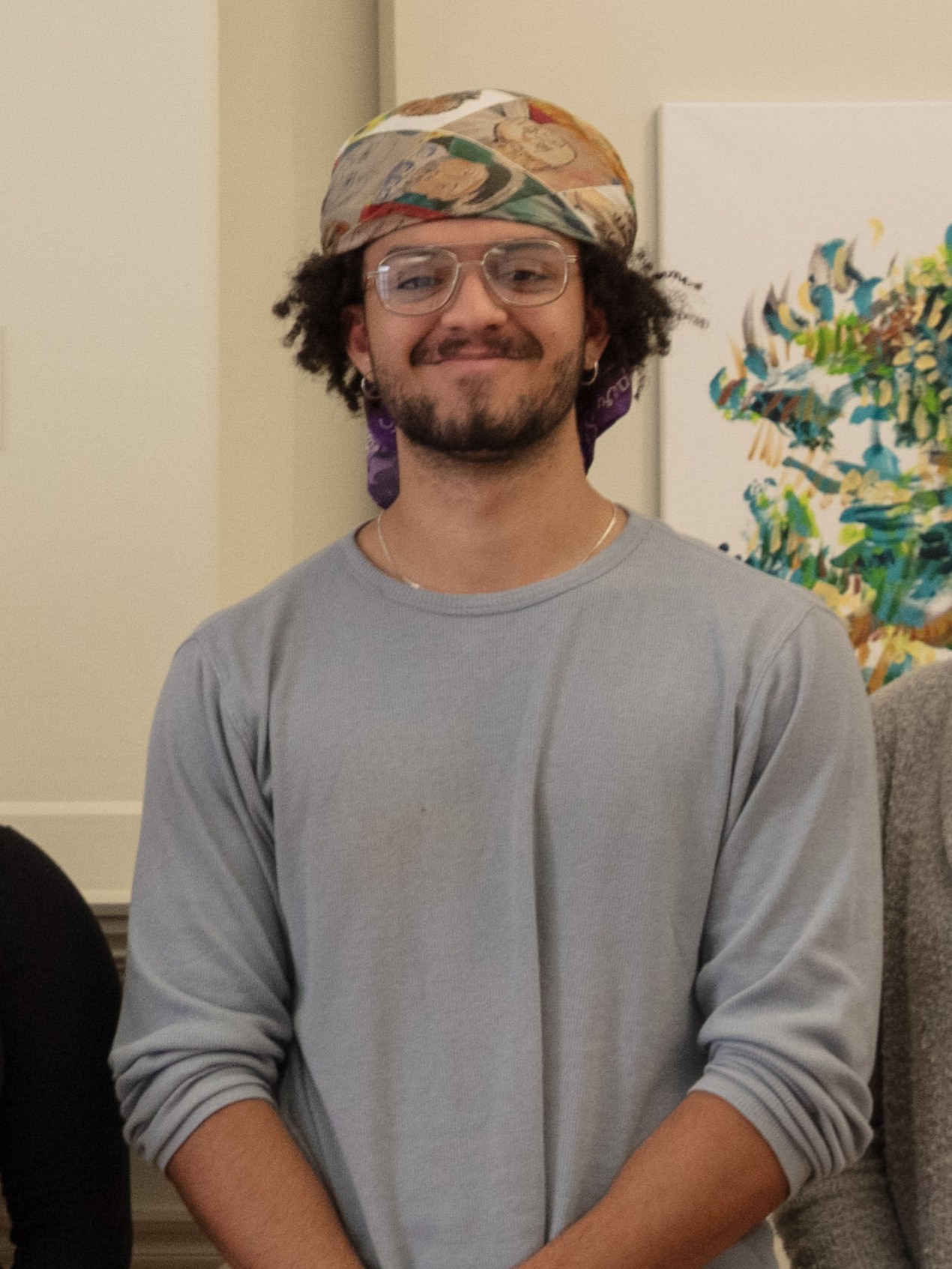
All the work that I've done in the past is about people and a certain love for people and an attempt to articulate or excavate something about the lives of people. My experience working on “The Unfinished Conversations Series” was illuminating because it gave me a taste of one of the ways in which that kind of love, that kind of passion and that ethical sense of responsibility, can be carried out. I think I'm someone who is interested in theory, but I'm just as interested in being more dedicated and more self-conscious in a practice. I think that that's what it means to work in the public humanities and what working on this project really does or bridges.
Dillon Stone ’25
Unfinished Conversations Series Student Researcher