Credit: Cheryll Toney Holley
My fellowship at Brown University, as part of the Reimagining New England Histories project, was an incredible experience that deepened my commitment to amplifying the voices of Black and Indigenous communities. Engaging with the history of New England from these perspectives challenged the traditional narratives that have long dominated the discourse, and instead, centered the stories, struggles, and resilience of those often marginalized.
While serving on the Exhibition Committee, I contributed to curating narratives that not only presented historical facts but also evoked current experiences of Black and Indigenous people in New England. This work was about more than just correcting historical records; it was about creating a space where these communities could see themselves reflected in the historical landscape, reclaiming their stories with dignity and truth.
On the K-12 Curriculum Committee, I worked alongside educators and historians to develop materials that would reshape how young people in New England learn about their region's past. We aimed to ensure that students could engage with a more complete and honest version of history—one that acknowledges the
contributions, cultures, and challenges of Black and
Indigenous peoples.
Credit: Cheryll Toney Holley
Through the Publication Committee, I worked with scholars to guide the narrative structure and thematic focus of written materials that will continue to educate and inform long after the fellowship has concluded. This work was integral in ensuring that the scholarship produced during this project is community-based, accessible, and impactful to a wider audience than the usual scholarly prints.
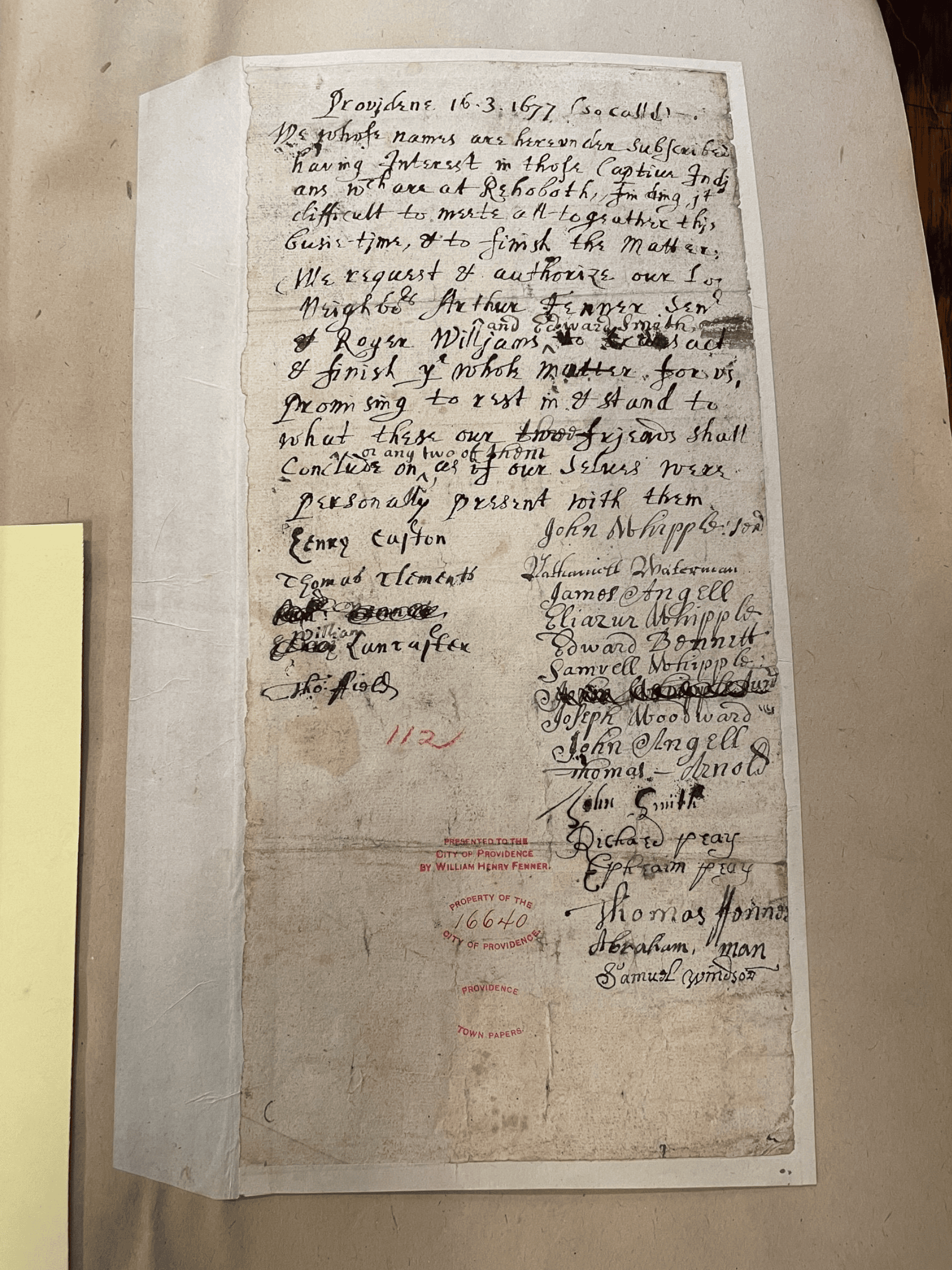
Lastly, I was given the precious time to focus on my own research into Black and Nipmuc histories and explore my ancestors' lives and practices. This opportunity allowed me to explore the stories of my own communities more deeply, contributing to a broader effort to honor and preserve our heritage.